

Contents:
An important update on keyword rank tracking
As part of our commitment to transparent reporting, we want to share an important development regarding how keyword rankings are monitored across the search industry, what it means and how we are refining our reporting to ensure you receive the most accurate data possible.
What has changed?
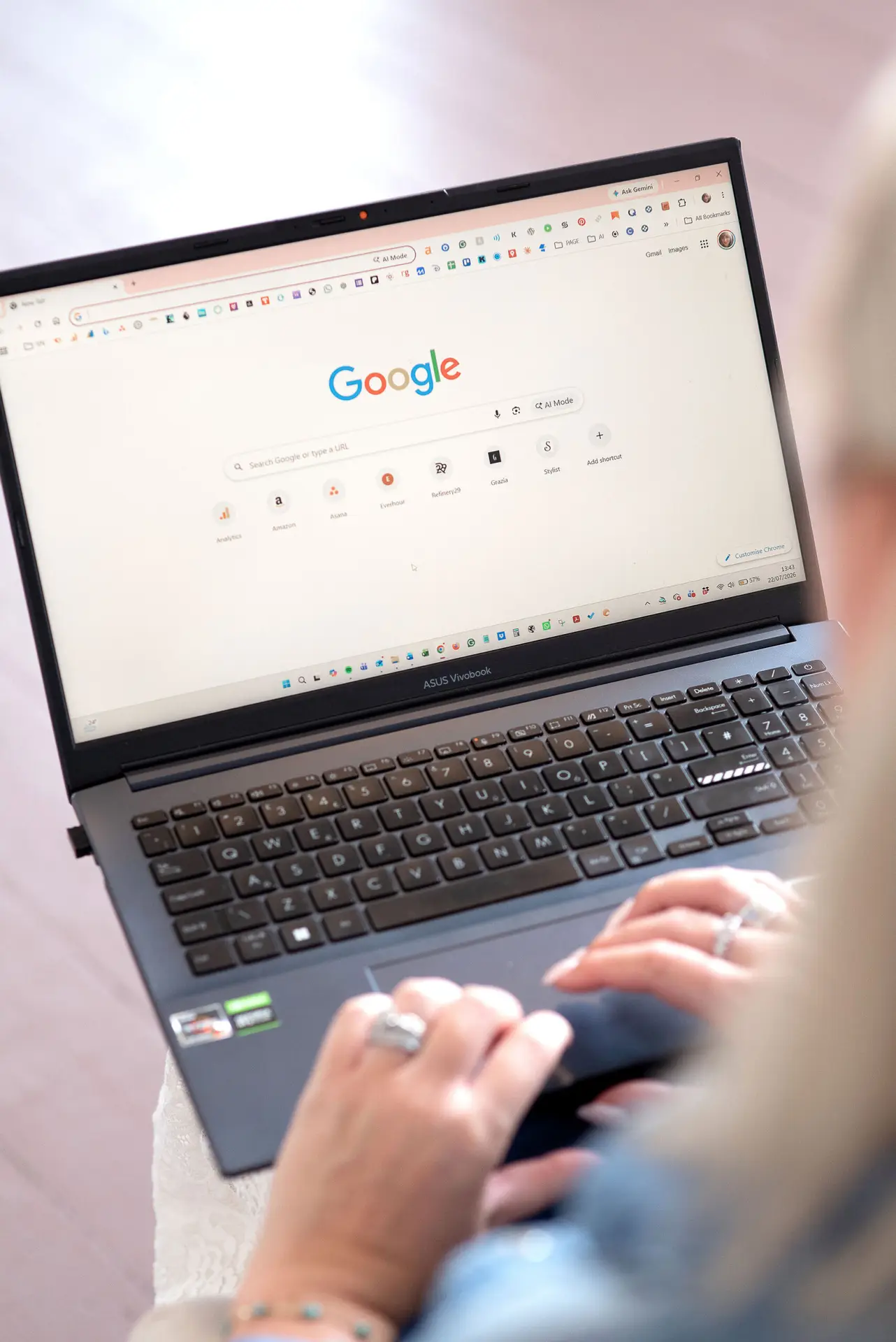
Over recent months, Google has rolled out significant technical updates and stricter bot-mitigation measures aimed at restricting third-party automated scraping of Search Engine Results Pages (SERPs). In tandem with dynamic personalisation, local intent shifts, and layout evolutions (such as AI Overviews), Google has actively restricted the automated bots that major industry platforms rely upon.
Search Engine Journal, a leading authority in the industry, has more information on this: https://www.searchenginejournal.com/google-causes-global-seo-tool-outages/
As a result, leading rank-tracking platforms, including SE Ranking, SEMrush, Moz, and Ahrefs, have experienced widespread reporting discrepancies, data lag, and temporary outages. In many cases, automated trackers may now pull inconsistent positions or fail to mirror the exact live SERP a prospective customer sees on their screen.
Google's Search Essentials policy to automated rank tracking platforms
Google’s own Search Essentials reinforce why automated rank-tracking platforms can face difficulties collecting SERP data. Within its spam policies, Google specifically identifies automated queries (such as using an automated platform or “scraper” to track search results), as a form of machine-generated traffic when carried out without express permission. Google states that this type of automated access can consume resources and interfere with its services, and that such activity violates its spam policies and Terms of Service.
As Google strengthens its controls around automated access, these platforms can experience interruptions, delayed data or inconsistencies between reported rankings and the live results seen by individual users.
A recent quote from Search Engine Journal:
“Google is blocking search result scraping, causing global outages at rank and keyword tracking services… making automated data extraction more challenging across popular tools.”
It is important to note that a discrepancy inside a third-party tracking software does not mean your visibility has dropped. In fact, real-world customer engagement is often growing right alongside these shifts. However, we must be aware that the world of search is changing, and the way we assess campaign success and reporting will change alongside it.
Why SEO matters more than ever
With AI integration across search engines, prospective customers are conducting more exploratory, high-intent searches than ever. Modern SEO is no longer just about looking at a single, static ranking on a search result page, it is about omnipresent brand authority – ensuring your brand is visible and recognised across multiple parts of the search experience, rather than only ranking in one traditional blue-link position.
What does this mean?
- Influencing AI platforms for citations: AI models such as Gemini, ChatGPT, Claude etc rely on authoritative and well-optimised websites to inform their summaries and recommendations. Quality SEO helps to ensure your brand is a cited source.
- Capturing high-intent buyers: Organic search continues to deliver the highest commercial ROI of any digital channel, driving qualified prospects who are actively looking to purchase or engage.
- Expanded search touchpoints: Today’s searchers interact with more than single links on a page. They have access to featured snippets, local map packs, video results, and AI Overviews, meaning visibility is broader and richer than it has ever been.
How will monthly reporting look from now on?
Rather than relying purely on third-party tools that are struggling to keep pace with Google’s changing approach to automated queries, we are working to stay ahead of the curve and adopting a dual-layered, precision-first reporting model:
- Human-verified tracking for core keywords: For your most valuable, priority terms, our team will conduct manual checks to use in the monthly reporting documents. This provides an accurate, live verification of exactly where and how your brand appears to real prospective customers.
- First-party data via Google Search Console (GSC): We are reworking reports to use data straight from Google. Search Console measures actual user impressions, clicks, and engagement trends from genuine search queries, completely bypassing third-party scraper limits.
We are aware the terms showing in GSC are not necessarily the terms you would like to promote, however analysing and working with this data gives us real, in-depth access to what your website and brand is actually showing up for, and being click on, via the Google Search Results. - Directional Software Insights: We will continue using platform tools to monitor wider market momentum and sector trends across different keyword sets, treating these as directional indicators rather than absolute figures. It is possible moving forward that these tracking errors will resolve, however it is unlikely that this state of change from Google’s end will be reversed, so we must ensure the way we work and report is future-proofed.
How can we help?
Our focus remains firmly on what matters most: qualified organic traffic, meaningful visibility for high-value search queries, and sustained business growth.
If you have any questions about this industry-wide update or your specific keyword visibility, please do not hesitate to contact us Contact Us.
Contact & Onwards
Worried your content might not be ticking all the right boxes?
Or just interested in learning more? Our highly skilled SEO team can help.