

Contents:
Have you ever looked into your market or industry to understand what people are really searching for? Taken a deeper dive into what makes a user search and then convert – either via a contact form, purchase or booking an appointment?
Having a better understanding of search intent will help you to provide more compelling content, make the conversion process easier and understand how to stop wasting time on traffic that doesn’t convert.
Why does search intent matter?
Search intent – which may also be called user intent – is the why behind a search, whether in Google or another search engine. It is the specific reason why someone types words or phrases into search and the exact outcome they hope to receive.
We can think of it like a person walking into a shop:
- Are they just looking for ideas?
- Are they seeking further information – asking questions about how something works or to get a deeper understanding of a product?
- Are they looking for a specific brand?
- Are they standing there with cash or card in their hand, knowing exactly what they want and ready to buy?
The job of a search engine (Google, Bing, Yahoo, etc) is to determine which of these things the user wants and return the right page and sites. That may be a quick AI overview answer, a blog post with more information, a comparison list or a product page for a quick checkout.
Remember: clear, direct answers to informational intent searches are what is usually pulled into AI overviews and featured snippets.
What are the different search intents?
Informational Intent – The Know: The user wants to learn something, find an answer or understand a topic further. They are looking for knowledge rather than a product to buy, though this could come later in the user journey.
Search examples:
- How to change a flat tyre
- What is photosynthesis
- What’s the capital of Spain
Navigational Intent – The Go: The user already knows the website, brand or page they want to visit and used Google as a handy shortcut tool rather than typing the web address in and navigating to the correct page themselves.
Search examples:
- Channel 4 24 hours in police custody latest episode
- Spotify web player
- Facebook login
Commercial Intent – The Compare: The user has a strong desire to purchase in the future, but at the moment is still deciding or researching options, reading in-depth reviews or looking at different choices or prices before committing.
Search examples:
- Best running shoes for plantar fasciitis
- iPhone Pro vs iPhone
- top electric car reviews
Transactional Intent – The Buy or Do: The user is ready to convert – make a purchase, download a resource, book an appointment or complete a specific action now.
Search examples:
- buy Dyson cordless hoover online
- cheap train tickets to London
- book BMW test drive
Local Intent – The Stay Local: The user is looking for a physical place, shop, salon or service near the current location.
Search examples:
- coffee shops near me
- plumber in Kettering
- Tesco Express nearby
What does this mean for my website?
Taking the time to understand search intent will help you to attract the right audience and provide them with the content, product, service or offer that they are looking for, allowing them to take relevant action.
Google rewards pages that significantly match user expectations. How-to guides for informational searches, comparison lists for commercial research and direct landing pages for transactional queries.
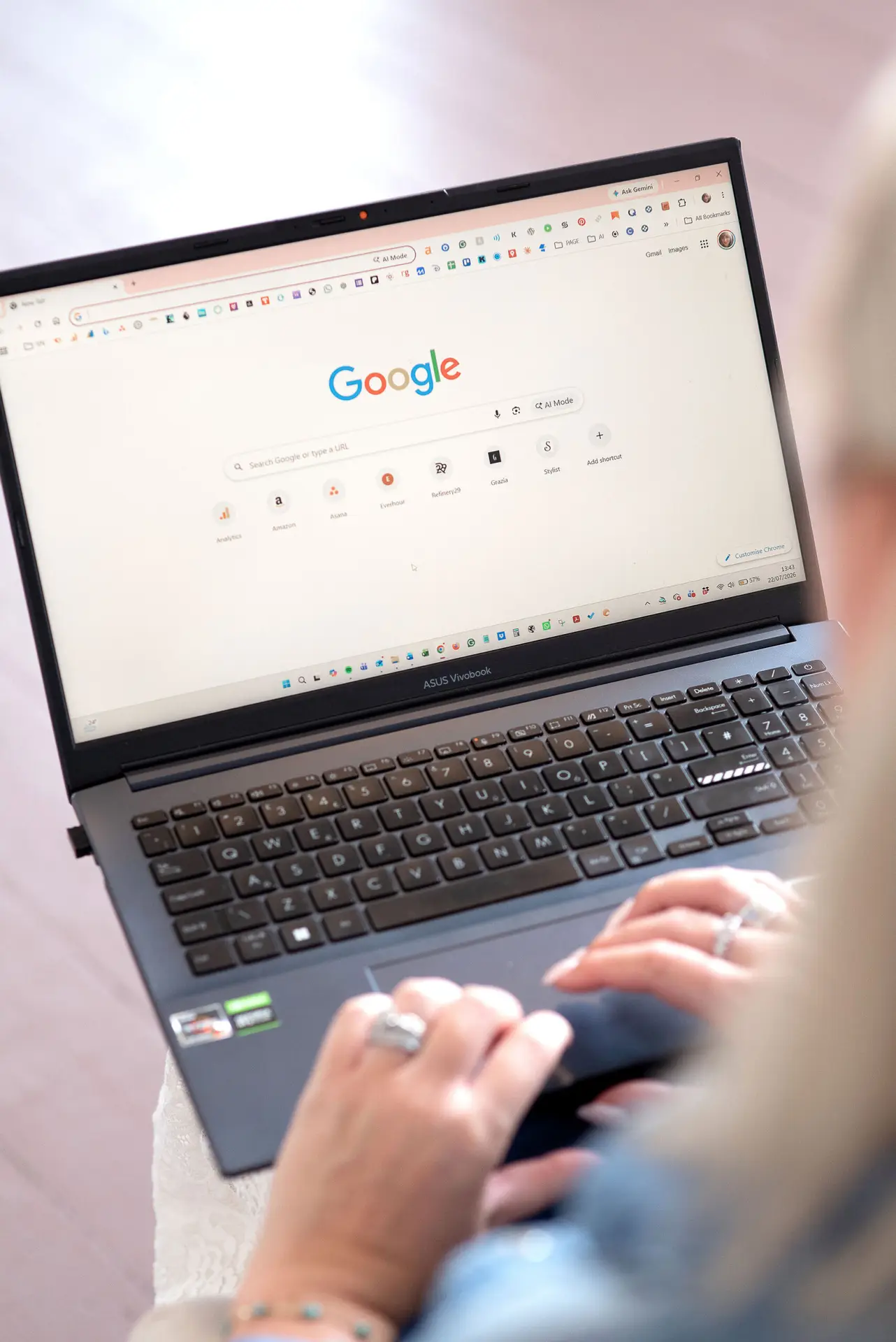
Next time you want to target a keyword or phrase, Google it first and analyse what type of content dominates the first page. This will help to identify the search intent, and you can build your strategy around this.
How can we help?
We always say that content is one of the most important factors on your site, whether that is on-page content or blog content. We would check what currently ranks well before creating any new content and tailor that content to the search intent, creating a search intent blueprint to replicate.
We can audit your current content and help to identify search intent – want to get going? Get in touch today!

Contact & Onwards
Worried your content might not be ticking all the right boxes?
Or just interested in learning more? Our highly skilled SEO team can help.